


-
 Dec 27 , 2025
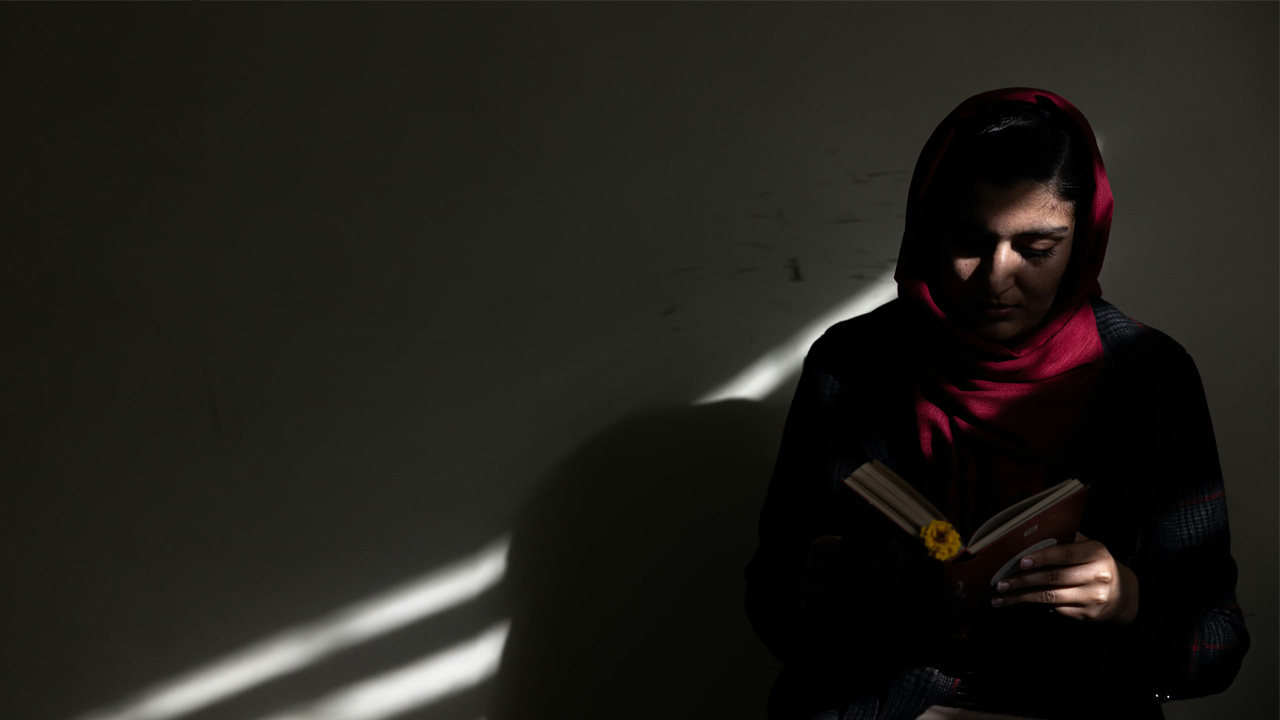
The Story of Sherin
Sherin is a Hazara women's rights activist from Kabul, with over 15 years of experience in government and civil society before the Taliban's return to power in 2021. She worked in various ministries, including Agriculture, Borders and Tribes, Public Works, and Urban Development, while engaging in voluntary advocacy for women's rights and social issues. After the collapse of the republic, she joined spontaneous women's protests and helped establish the Afghan Women’s Movement for Equality, organizing demonstrations against bans on education, work, and freedom. She also supported underground education initiatives for girls, including computer and English courses funded by international partners.
Sherin led and participated in peaceful protests demanding women's rights and justice, including major actions against ethnic targeting of Hazaras and university expulsions of female students. On November 3, 2022, she and colleagues attempted to formally launch the Afghan Women’s Movement for Equality at a press conference in Dasht-e Barchi, Kabul. Taliban forces surrounded the venue, disrupted the event, and identified her as a key organizer through her prominent role in the movement.
Taliban forces stormed the hotel conference hall, confiscated phones, and violently arrested Sherin along with several colleagues (including male guests). She was slapped, handcuffed by male fighters initially (with female officers arriving later), and taken to a police district before transfer to a secret detention facility (Directorate 40). She endured 47 days in solitary confinement, in cold, unhygienic cells with no bathing allowed for the first 15 days, inadequate clothing, and necessities denied without bribes.
No formal charges were presented, and no court trial occurred. Interrogations were irregular, often at night, conducted by Taliban clerics and officials focusing on alleged foreign funding for protests, political ties from the previous regime, and orchestration of global demonstrations (e.g., against attacks on Hazara education centers). She was pressured to regret her actions and reveal networks. Multiple departments repeated overlapping interrogations without consistency or evidence. Access to family or lawyers was denied throughout.
She experienced the following human rights violations:
- Severe physical violence and cruel treatment: Beatings, slaps, whipping with rubber cables, electric shocks causing memory loss and unconsciousness; lasting effects including insomnia, depression requiring medication, and psychological trauma.
- Gender-based and ethnic discrimination: Repeated insults labeling Hazara women as "prostitutes" or un-Islamic; harsher treatment compared to non-Hazara detainees; accusations tied to her Hazara identity and protests against ethnic genocide.
- Inhuman detention conditions: Prolonged solitary confinement, denial of bathing, prayer mats, or basic hygiene; possible drugging of food leading to mental disorientation; oversight by collaborating female guards who demanded bribes.
- Psychological pressure: Forced confessions on video, reading scripted denials; threats and humiliation to induce regret.
- Complete absence of due process: Arbitrary detention without charges, trial, or independent review; no visits from international monitors.
After 47 days, Sherin was released in December 2022 following guarantees from community elders, the Shia Commission, advocates like Fawzia Koofi, and reported international pressure (including possible payments via UN channels).
The Taliban extracted pledges not to leave Afghanistan, to cease protests, and coerced her into filmed confessions supporting their framework. Fearing further reprisals and forced collaboration, she fled Afghanistan and now lives in exile in Canada (as of December 2025), where she continues advocacy while grappling with ongoing trauma and therapy.
Sherin’s story underscores the targeted repression of Hazara women activists demanding equality, the impunity for torture under Taliban rule, and the enduring resilience of Afghan women even in exile. Her message of hope amid darkness calls for sustained international support and accountability.